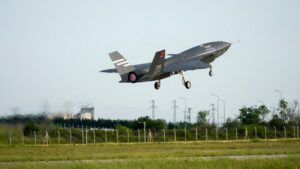
Leonardo and Baykar complete test flights for manned-unmanned teaming
“The programme is aimed at designing and developing interoperability between crewed and uncrewed aircraft,” the companies said.
“The programme is aimed at designing and developing interoperability between crewed and uncrewed aircraft,” the companies said.


While humans must stay in the loop for kinetic decisions, empowering drones to operate autonomously is a force multiplier.


Models that replicate real-world physics streamline design, testing and iteration processes.
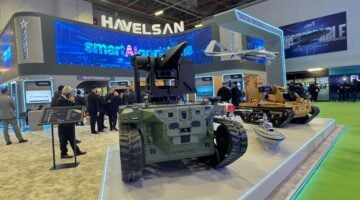
The Turkish defense firm also revealed an AI-enabled combat management system, part of what an exec said was an effort to integrate AI into the company's "digital troops concept."
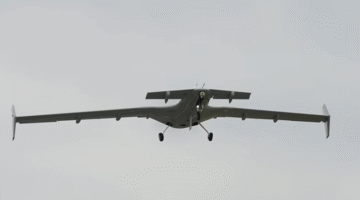
The company, famous for producing mid-range drones that proved effective in the early days of the Ukraine conflict, said the K2 fits within its “cost-effective defense solutions strategy."

"We're going to launch in multiple waves, demonstrating what a phased use of these might look like over time," said Andrew Evans inside the Army’s intel shop.

The weapon is based around a modified Bofors 40mm gun and billed as a kinetic way to knock drones and swarms out of the skies.

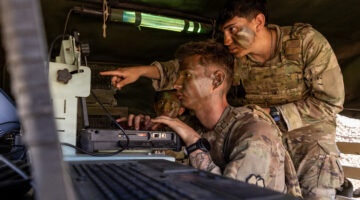
Lightning Surge exercises are turning soldier feedback on NGC2 into operational software changes in days, not years.
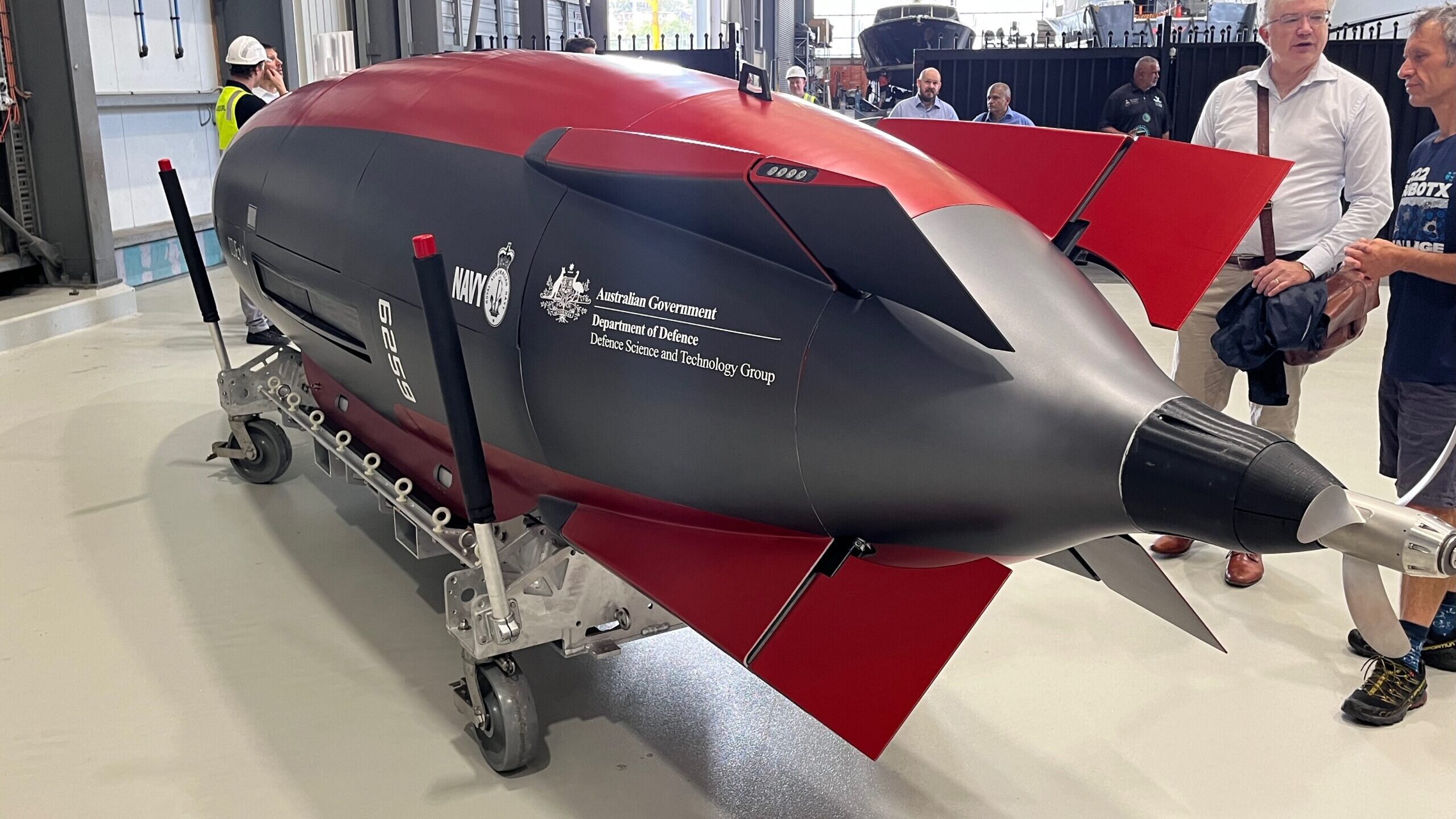
"Due to its modular and multi-role nature, our adversaries will need to assume that their every move in the maritime domain is subject to our surveillance and that every [sub drone] is capable of deploying a wide range of effects, including lethal ones," says Rear Adm. Peter Quinn.
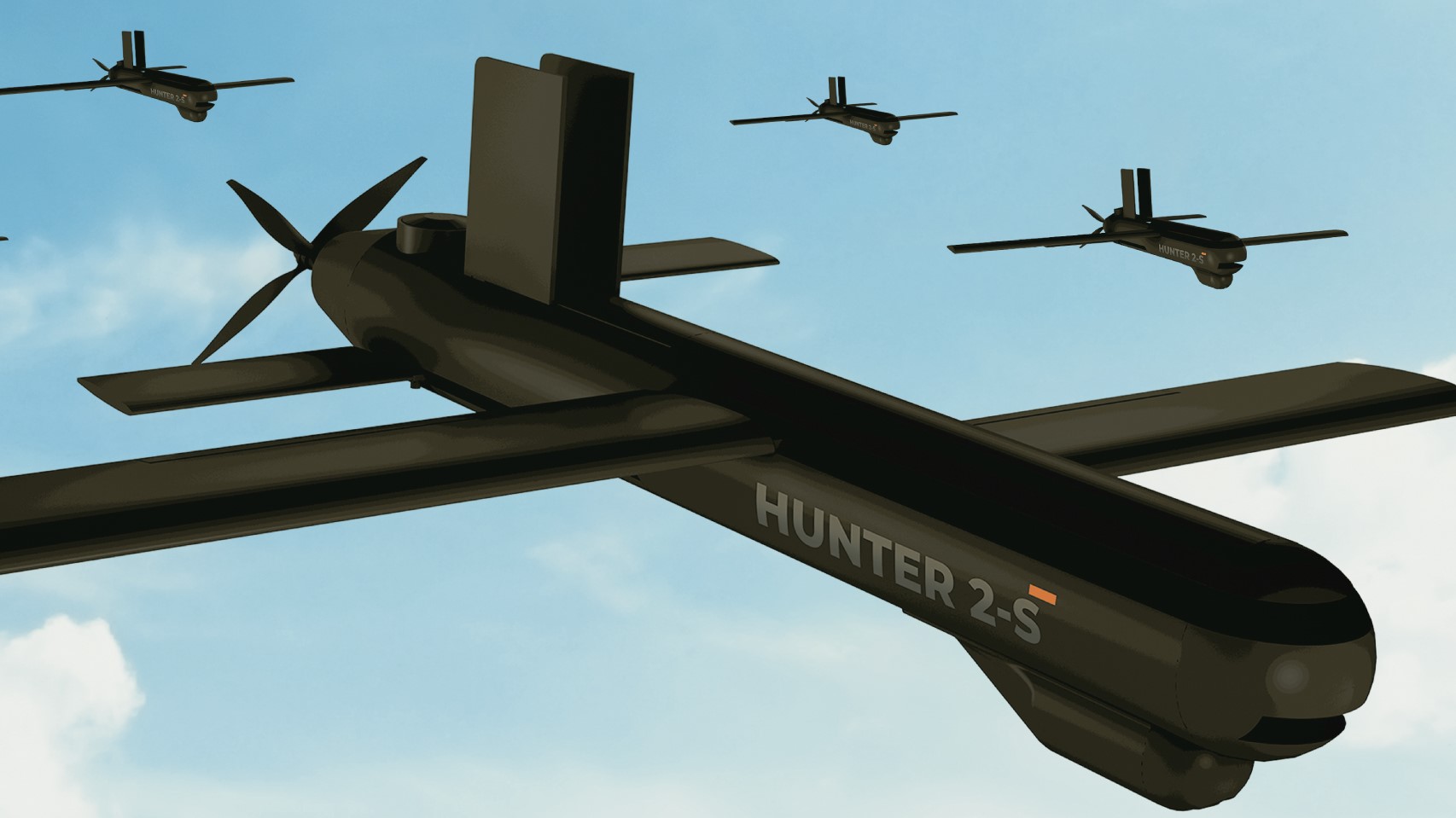
“Once the target is identified, a decision is made among the swarm, and based on the target size, shape, and category, they decide how many drones are needed to destroy the target," the company's CEO told Breaking Defense.

Crucial to the promise of MORFIUS is its ability to zap many drones at once in mid-air, far from the friendly vehicles, buildings, or people actively being defended.
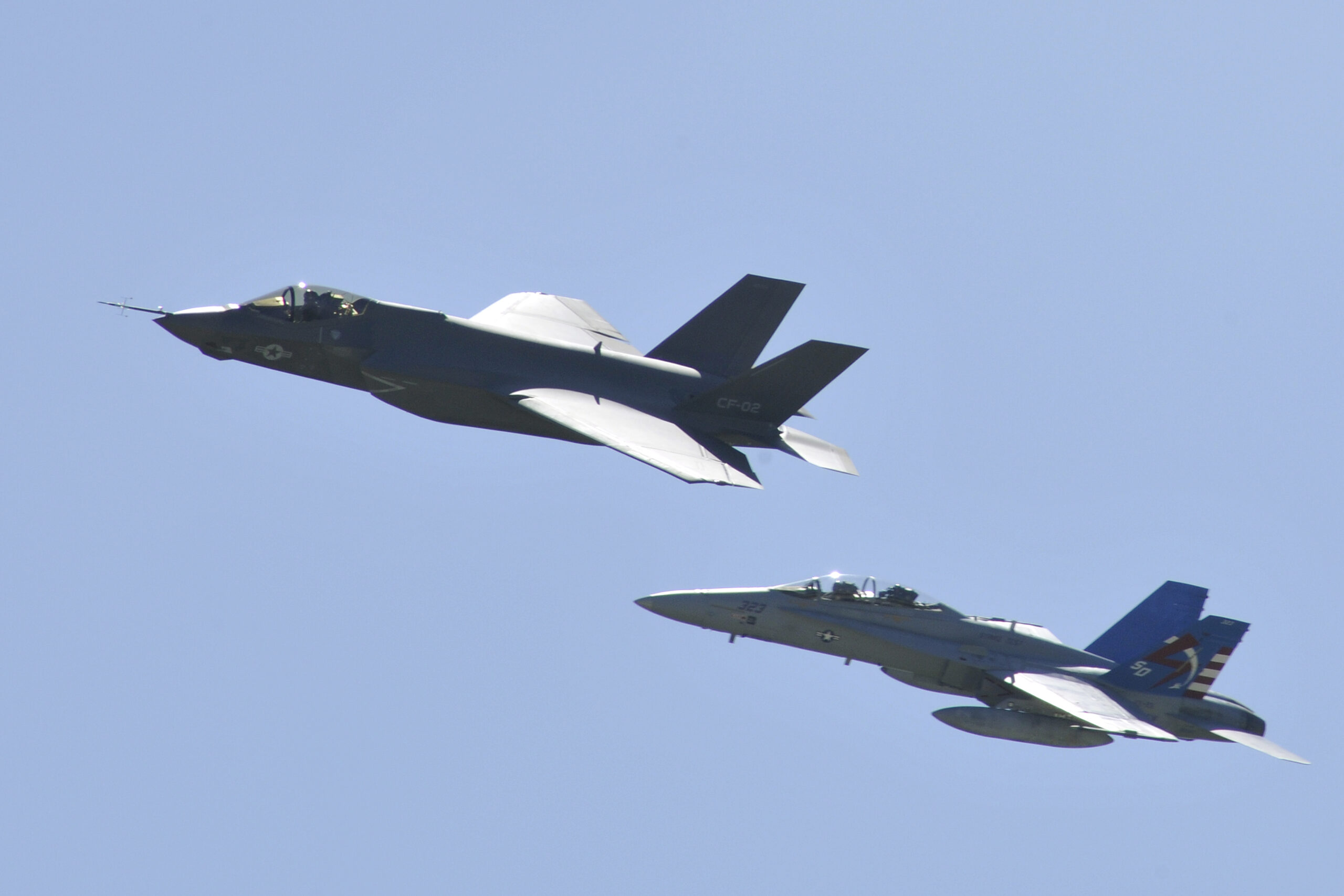
As defense budgets face post-COVID cuts, everyone wants to axe “legacy” systems. But the services define “legacy” very differently from defense reformers.

From AI adoption and agentic systems to Zero Trust and cyber resilience, Breaking Defense’s latest eBook brings together key reporting from DoDIIS 2026 on the technologies and strategies shaping the future of defense intelligence.
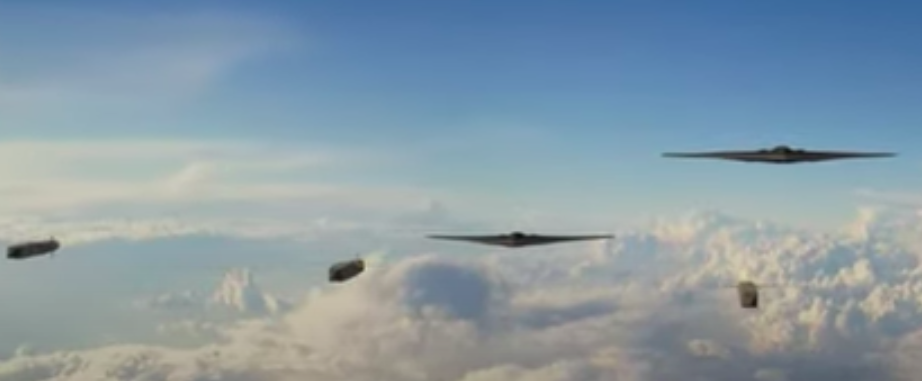
The new simulation environment will use 'digital twins' to rapidly test and iterate "collaborative autonomous networked technologies," AFRL explains.
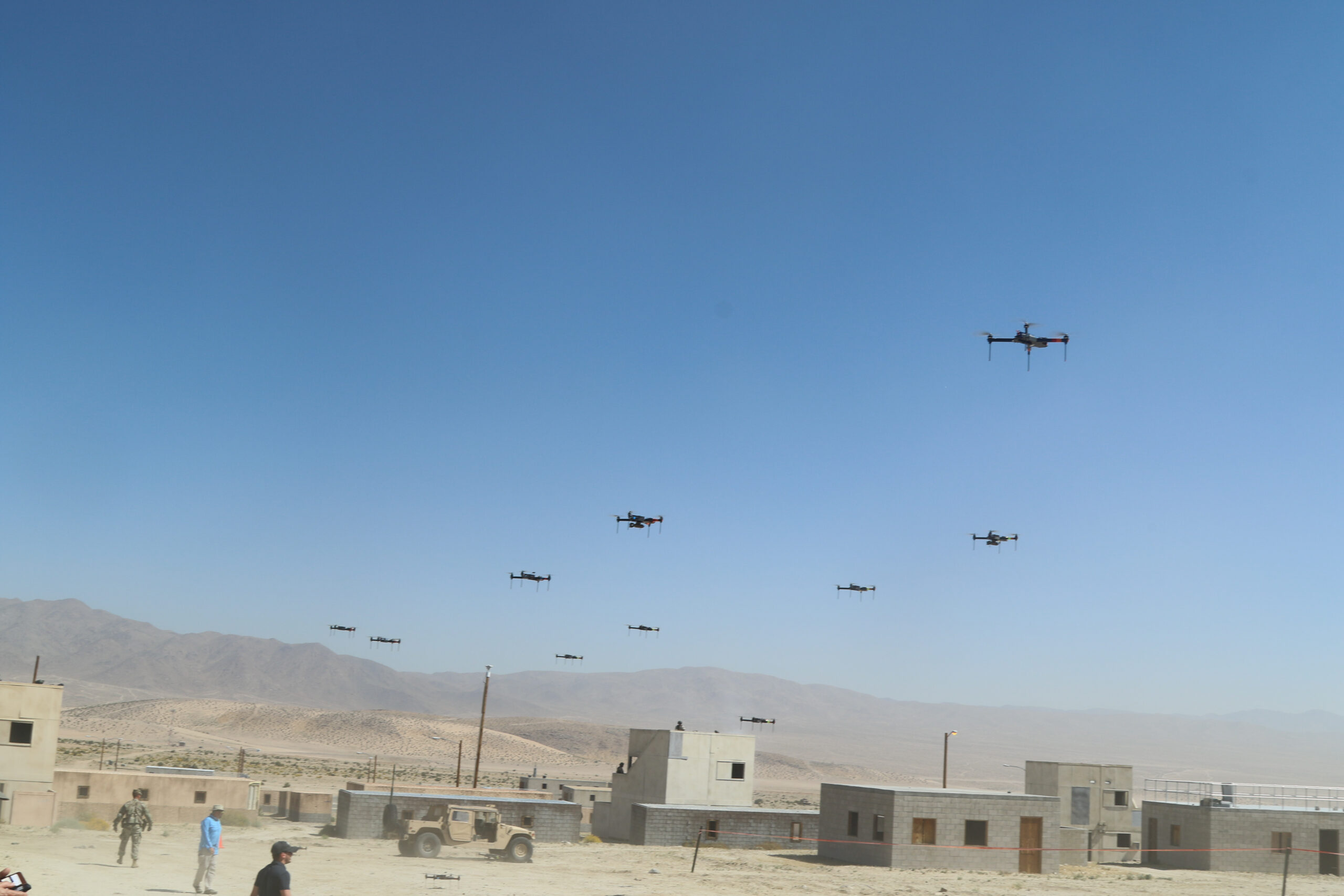
In April, the Yuma, Ariz. test range will host a competition of “low collateral damage” countermeasures designed to stop mini-drones without firing a shot. But can such a restrained approach stop the drone swarms Russia and others are developing?

DoD has "so many hundreds of programs that we really couldn't do a fair evaluation of each individual activity," Mark Lewis, director of modernization in the Research and Engineering office, said today.
"They’re willing to say, 'I’m willing to sacrifice the lives of American servicemen and women, I'm willing to take more civilian casualties ... on the off chance that sometime in the future this weapon will exist."